Explained
Diabetes and your eyes: what to know about retinopathy
Last updated: 20 August 2026
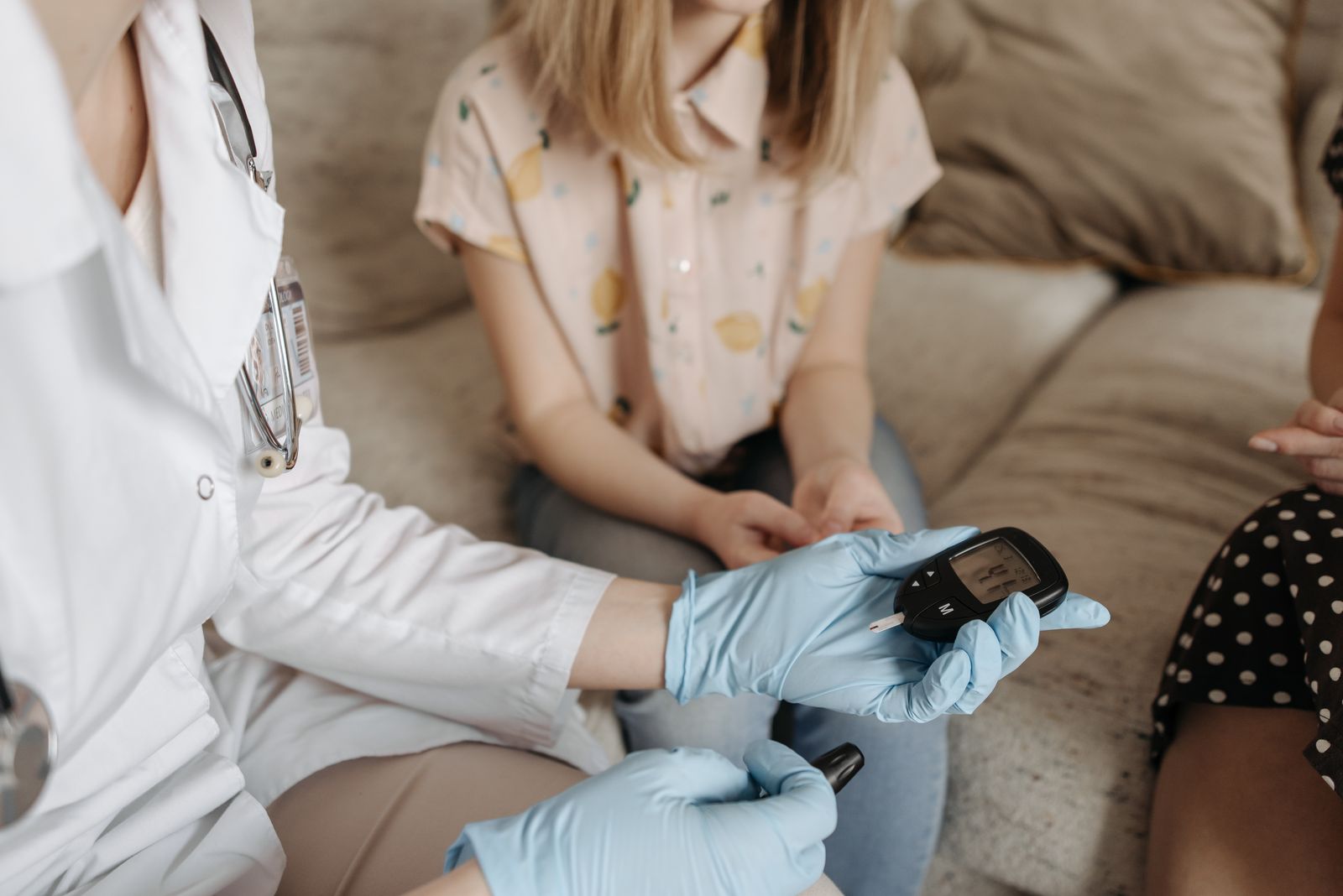
If you have diabetes, you hear it at every check-up: mind your eyes. That advice is not a routine platitude. Diabetic retinopathy is one of the leading causes of avoidable sight loss — and at the same time the condition where early detection makes the biggest difference. Here is how that works.
In short
- Prolonged high blood sugar damages the finest blood vessels of the retina.
- The early stage causes no symptoms — which is why periodic retinal screening exists.
- Good control of blood sugar and blood pressure is the strongest protection you hold yourself.
- Treatments (injections, laser) are effective, especially when damage is found early.
⚠ Acute symptoms?Sudden vision loss, an eye injury, chemicals in the eye, severe pain, or new blind spots in your visual field? Don't wait for an online explanation — call your GP (huisarts), the out-of-hours GP service, or 112 immediately.
What does diabetes do to the retina?
The retina is laced with capillaries supplying it with oxygen. Prolonged elevated blood sugar weakens those vessel walls and makes them leak. Small bulges (microaneurysms), tiny haemorrhages and leakage of fluid and fats appear. Parts of the retina can be starved of oxygen. In a later stage the eye tries to compensate by growing new vessels — which unfortunately are fragile, bleed easily and can cause scarring and traction.
The main threat to sharp vision is fluid in the macula: diabetic macular oedema. It can occur at any stage and is treatable today — provided it is seen in time.
Why do you notice nothing for so long?
The early stages play out in parts of the retina you don't use for sharp vision, and the brain effortlessly fills in small gaps. By the time you notice blur, spots or distortion yourself, quite a lot may already be going on. That is the entire rationale for periodic retinal screening for everyone with diabetes: finding the condition before it causes symptoms, in the phase where treatment yields the most.
Screening is usually done with a retinal photograph via your GP practice or hospital, typically every one to three years depending on your risk profile. Do not skip that invitation — especially not when you have no complaints. That is precisely when it earns its keep.
What protects your eyes best?
The large studies agree: the better the blood sugar control (HbA1c), the lower the chance of retinopathy and the slower its progression. Right behind it come blood pressure and cholesterol — high blood pressure demonstrably accelerates the vessel damage. Stopping smoking helps your retina too. This list is less exciting than a new treatment, but it is the strongest protection there is, and it is largely in your own hands together with your GP or internist.
Which treatments exist?
For macular oedema, injections into the eye with vessel-calming medication (anti-VEGF) have become the standard — they sound worse than they are and have greatly improved the outlook. For extensive new vessel growth, laser treatment of the peripheral retina is used to reduce oxygen demand and shrink the new vessels. For vitreous haemorrhages or pulling scar tissue, surgery (vitrectomy) may be needed. The right combination depends on stage and location — that is the ophthalmologist's tailoring.
What does this mean practically?
Three things. Attend every retinal screening, symptoms or not. Work with your care team on blood sugar and blood pressure — the boring work that yields the most. And report new symptoms (blur, distortion, sudden spots) immediately, not at the next scheduled check.
Frequently asked questions
I was just diagnosed with type 2 diabetes. When should my first eye screening be?
Shortly after diagnosis. Type 2 often exists for years before being discovered, so the retina may already show traces. With type 1, the first screening usually follows within five years of diagnosis.
My retinal photo was fine. Does that mean I am safe?
It means no treatable abnormalities were visible at that moment — good news. Diabetes remains an ongoing risk, however, so the screening interval you were given still applies.
Can my vision fluctuate with my blood sugar?
Yes. Strong swings in blood sugar temporarily change the power of the eye's lens, blurring vision without any retinal damage. So have new glasses fitted only once your sugars have been stable for a few weeks.
Are the eye injections painful?
The eye is numbed and the injection itself takes seconds. Most people describe brief pressure rather than sharp pain. The anticipation is usually worse than the experience.
Sources and further reading
This article is general explanation, not medical advice about your situation. For acute symptoms: call your GP, the out-of-hours GP service, or 112.