Explained
Farsightedness (hyperopia): more than 'far good, near bad'
Last updated: 20 August 2026
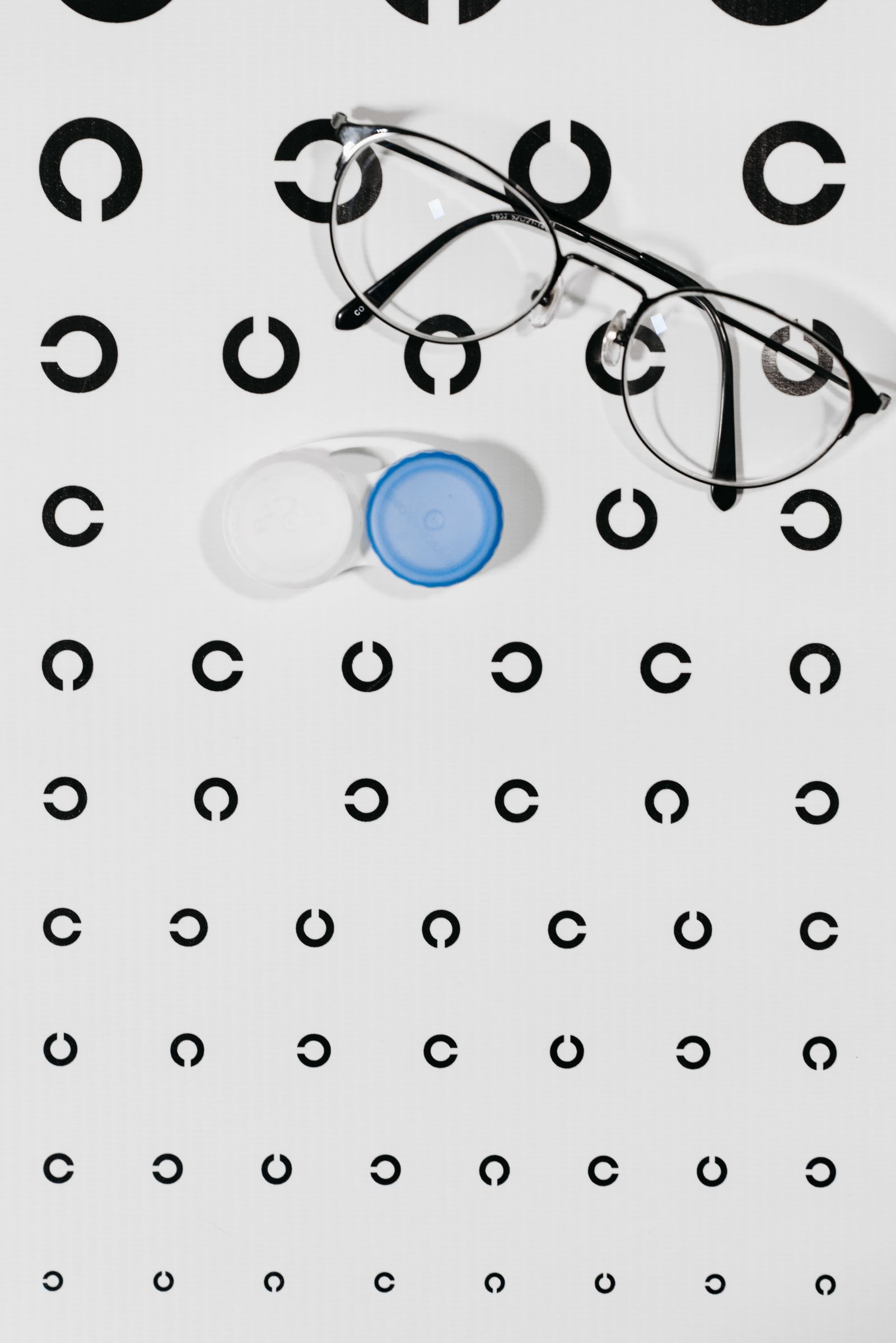
Farsightedness is the least understood member of the prescription family. 'Seeing far is fine, near is not' — that is the usual summary, and it is only half right. Young eyes can iron away farsightedness for years without you noticing... except for those tired eyes and headaches after reading. Here is how it really works.
In short
- In farsightedness (a plus prescription) the uncorrected image focuses behind the retina; the eye's lens must chip in.
- Young eyes compensate automatically — often without blur, but with strain: headaches, tired eyes when reading.
- With age the compensating power fades and the farsightedness 'appears' after all, usually around reading-glasses age.
- In children, unnoticed strong farsightedness can lead to squint or a lazy eye — a reason for easy-access checks.
⚠ Acute symptoms?Sudden vision loss, an eye injury, chemicals in the eye, severe pain, or new blind spots in your visual field? Don't wait for an online explanation — call your GP (huisarts), the out-of-hours GP service, or 112 immediately.
What exactly is farsightedness?
In a farsighted eye the eyeball is relatively short, or its optics relatively weak. Light rays only come to a sharp focus 'behind' the retina — the image on the retina itself is blurred. On a prescription you recognise it as a plus power: +1.50, for example. The higher the number, the more help the eye needs.
The vanishing act of young eyes
Here it gets interesting. The eye has its own zoom lens, which can bulge to focus up close (accommodation). A young farsighted eye uses that same muscle power to pull even the distance image onto the retina. The result: fine vision at all distances — and an eye that is never at rest. Reading adds its own focusing effort on top.
That explains the typical complaint pattern of (undiscovered) farsightedness: no blur, but headaches around the eyes or forehead, tired or burning eyes after reading or screen work, trouble keeping attention on text, and symptoms that build over the day. Many a 'concentration problem' turns out, on measurement, to be a plus prescription.
Why does it surface later in life?
The lens's compensating power declines steadily from childhood on — the same process that announces reading glasses around 45. For a farsighted eye that is a double bill: first reading becomes difficult (earlier than for peers), later distance vision blurs too. Whoever 'suddenly' needs plus glasses around forty was usually farsighted for years — the eye simply could no longer hide it.
Farsightedness in children: the group that matters most
Nearly all babies are farsighted; most grow out of it. But a child with substantial residual farsightedness must accommodate hard, and accommodation and eye alignment are coupled in the brain: strong focusing drives a strong convergence signal. In some children that leads to an inward squint, and untreated, one eye can be 'switched off': a lazy eye (amblyopia). Even without squint, strong farsightedness can sap reading pleasure and schoolwork.
The good news: glasses solve this almost always, and the earlier, the better the brain learns sharp vision in both eyes. If you have doubts about your child's eyes (sitting very close to everything, an eye drifting on photos, reading resistance): have them measured — it is possible at a young age.
How is it corrected?
Glasses with plus lenses are the simplest route; contact lenses work too. For adults with a stable prescription, laser and lens implant options exist, though lasering plus powers is technically more limited than minus powers — an honest conversation about the options belongs in any good intake. What does not work: eye exercises to 'train away' farsightedness. The build of the eye does not train along.
Frequently asked questions
My child sees perfectly far away. Could they still be farsighted?
Yes — precisely so. Young eyes compensate effortlessly, so 'seeing far well' rules nothing out. The signals sit more in the corner of headaches, reading resistance, or an eye drifting when tired.
Is farsightedness the same as needing reading glasses?
No, though the complaints resemble each other. Reading glasses (presbyopia) come from the lens stiffening with age and happen to everyone. Farsightedness is a structural trait present from childhood. It does make reading glasses arrive earlier.
Can farsightedness get worse?
The power itself changes little in adults. What changes is the compensation: it declines with age, so you notice more and more of the same farsightedness.
What does the S or SPH on my prescription mean?
That is the spherical power: the base number of your correction. A plus number means farsighted, a minus number nearsighted. Our free prescription decoder translates all the abbreviations into plain language.
Sources and further reading
This article is general explanation, not medical advice about your situation. For acute symptoms: call your GP, the out-of-hours GP service, or 112.