Explained
Glaucoma: symptoms, causes and treatment
Last updated: 20 August 2026
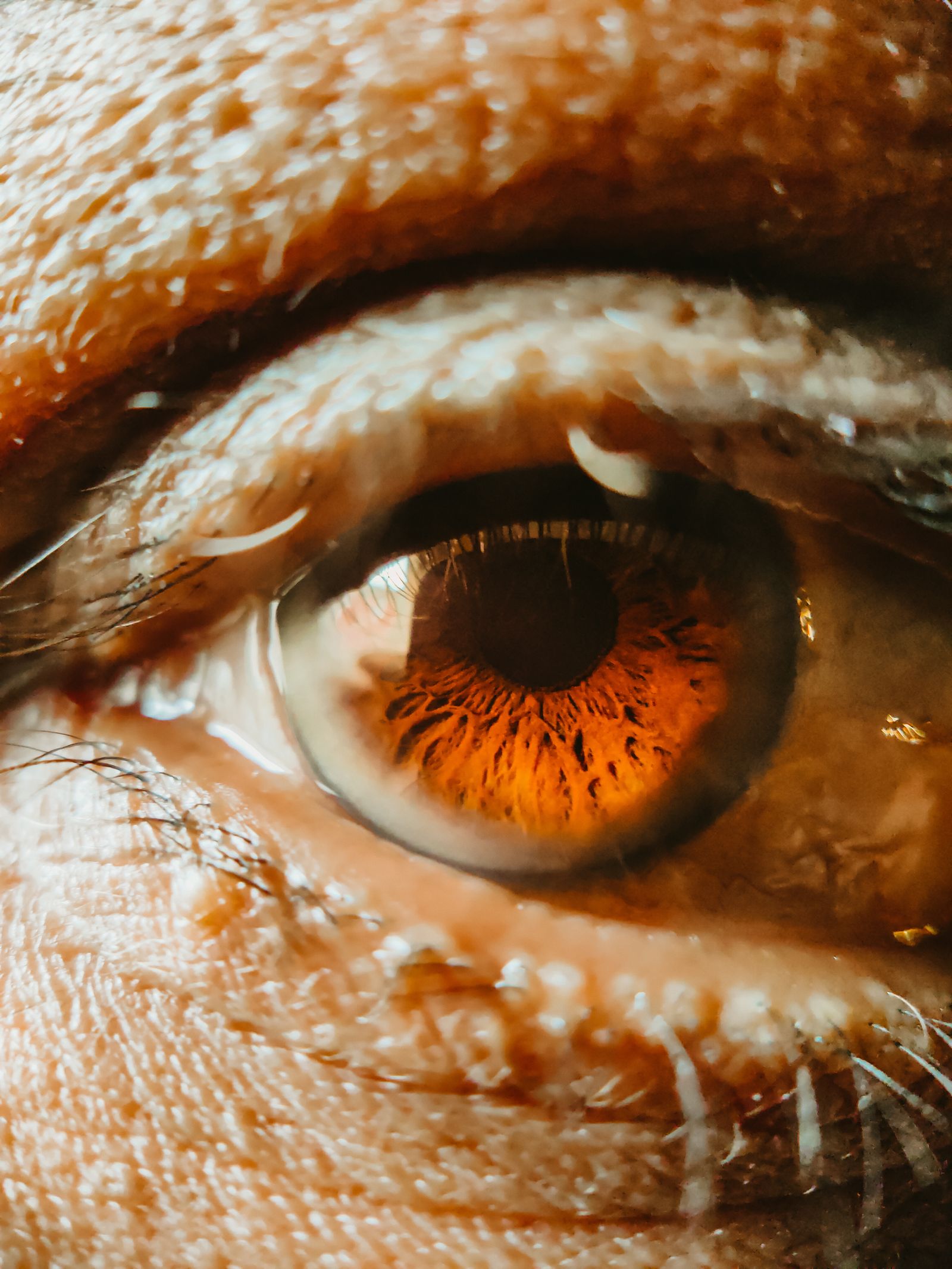
Glaucoma is one of the most common causes of permanent vision loss — and at the same time a condition with which, when caught early, most people simply keep seeing well. The catch is in the word 'early': glaucoma doesn't hurt at first and is barely noticeable on your own.
Animatie: hoe glaucoom zich ontwikkelt bij de oogzenuw
In short
- Glaucoma damages the optic nerve — usually for years without you noticing anything.
- Early detection is everything: existing damage doesn't heal, but further damage can be slowed.
- A check-up = eye pressure + corneal thickness + an OCT of the nerve fibre layer, plus a visual field test where needed.
- Extra alert if: glaucoma in the family, higher age, high eye pressure or high myopia.
⚠ Acute symptoms?Sudden vision loss, an eye injury, chemicals in the eye, severe pain, or new blind spots in your visual field? Don't wait for an online explanation — call your GP (huisarts), the out-of-hours GP service, or 112 immediately.
What is glaucoma?
In glaucoma the optic nerve gets damaged — the cable that carries everything your eye sees to your brain. That damage almost always starts at the edges of the visual field and spreads slowly. Because your brain 'fills in' missing edges for a long time, you often notice nothing for years.
Elevated eye pressure is the most important treatable risk factor, but not the definition: glaucoma exists at normal pressures, and elevated pressure exists without glaucoma.
Which types of glaucoma exist?
Open-angle glaucoma is by far the most common form in the Netherlands: the eye's fluid drainage gradually becomes less efficient, pressure creeps up, and damage develops silently.
Angle-closure glaucoma is rarer but can present acutely: drainage becomes suddenly blocked. An acute attack — severe eye pain, red eye, blurred vision, halos around lights, nausea — is an emergency: call your GP or the out-of-hours service immediately.
There are also normal-tension glaucoma (damage at 'tidy' pressure values) and rare congenital and secondary forms (for example after eye inflammation or long-term corticosteroid use).
Who is at higher risk?
Risk rises with age, and further with: glaucoma in close family, elevated eye pressure, high myopia, a thinner cornea, and African or Asian ancestry (depending on the form). Anyone with several of these factors deserves a lower threshold for periodic checks.
How is glaucoma detected?
Not by symptoms, but by examination. Good glaucoma screening combines an eye pressure measurement (preferably with corneal thickness), an assessment or scan of the optic nerve and nerve fibre layer (OCT), and where needed a visual field test. It's the combination that matters: each test alone can look reassuring while the whole picture says otherwise.
More and more optical stores include an OCT scan with an eye exam. If you have one made, always ask for the report — it's your data, and the trend between scans is gold for anyone who ever needs to assess your eyes later.
What can be done?
Existing optic nerve damage doesn't heal — which is why everything revolves around early detection and slowing further damage. Treatment runs through an ophthalmologist and almost always aims to lower eye pressure: with drops, with a laser treatment (such as SLT) or, if that's insufficient, with surgery.
Most people whose glaucoma is caught in time keep useful vision for life. Consistent drop use and showing up for check-ups is about half the battle.
Frequently asked questions
Can I notice glaucoma myself?
In an early stage, hardly — that's exactly the problem. Symptoms such as missing patches at the edge of your view come late. Periodic checks are the only reliable early detection.
My optician saw 'something suspicious' on the OCT. Do I have glaucoma now?
No — that's not established. An abnormal OCT value can also be a measurement artefact, an anatomical variant, or a consequence of high myopia, for example. It does mean: have it assessed by someone qualified, with all the context included.
Can glaucoma be prevented?
Not truly prevented, but you can stay ahead of it: with early detection and treatment, the vast majority keep good usable vision. Know your family history and have your eyes checked periodically.
Sources and further reading
This article is general explanation, not medical advice about your situation. For acute symptoms: call your GP, the out-of-hours GP service, or 112.