Explained
Laser eye surgery: 12 questions to ask before you sign
Last updated: 20 August 2026
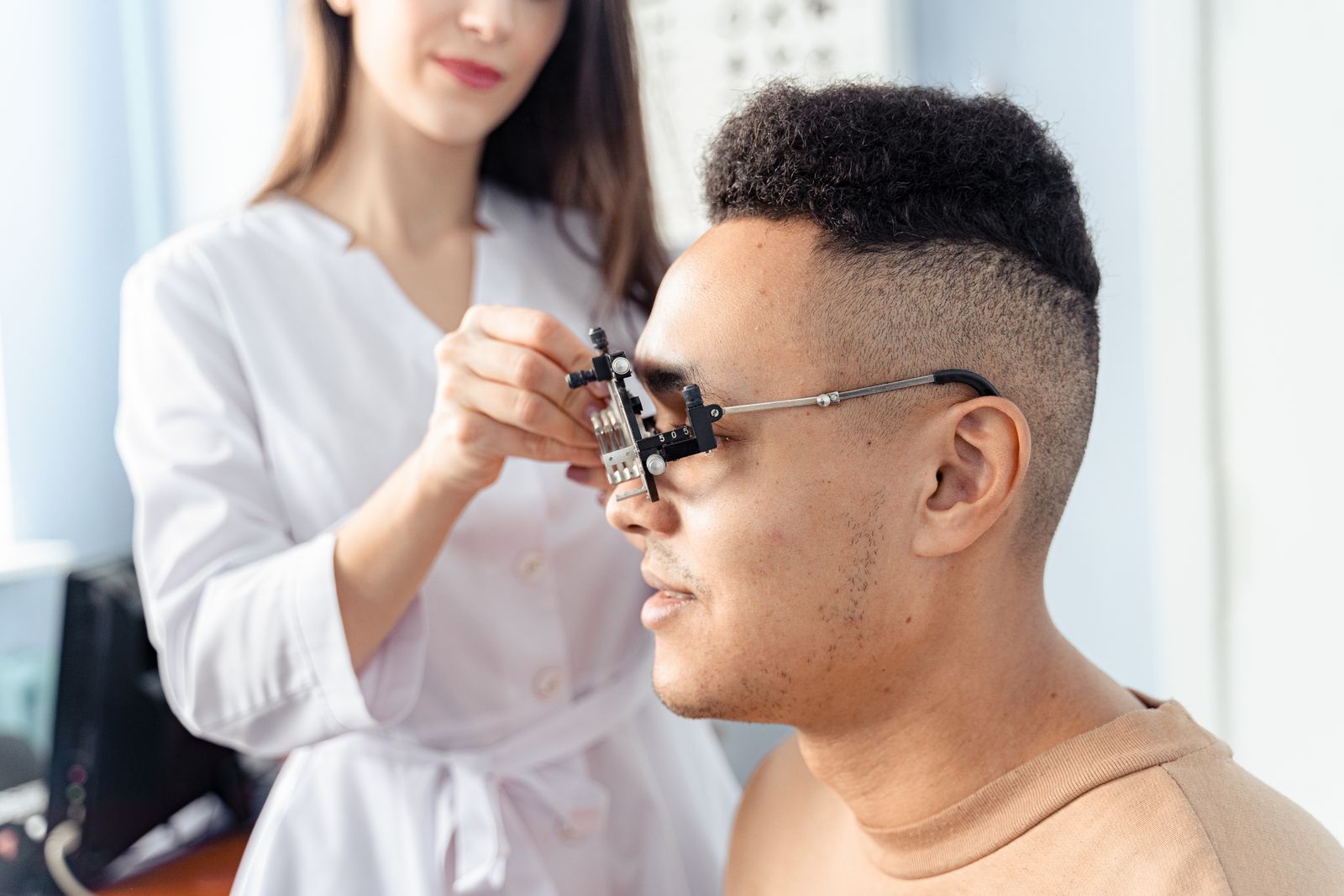
Laser eye surgery is a mature, widely performed treatment that leaves very many people happy. But it remains an irreversible procedure on healthy eyes, sold in a market with real commercial pressure. This article gives you the questions that force an honest conversation — from a platform that doesn't sell laser treatments itself.
In short
- For suitable candidates laser surgery is safe and effective — but not everyone is a suitable candidate.
- A serious pre-assessment (corneal thickness, topography, tear film) comes before any price promise.
- Age, a stable prescription, dry eyes and pupil size all help determine whether it's wise.
- Feeling sales pressure, or answers staying vague? Then a second opinion or another clinic is the right answer.
⚠ Acute symptoms?Sudden vision loss, an eye injury, chemicals in the eye, severe pain, or new blind spots in your visual field? Don't wait for an online explanation — call your GP (huisarts), the out-of-hours GP service, or 112 immediately.
Is laser eye surgery safe?
For well-selected candidates: yes, with high satisfaction and low complication rates. But 'well-selected' does all the work in that sentence. The craft of good refractive surgery isn't in the laser — it's in the pre-assessment, and in the honest 'no' to eyes that aren't suitable.
Who is not suitable?
Common reasons not to laser (now): a prescription still changing, a cornea too thin or irregular (think keratoconus), significant dry eye, certain eye conditions, pregnancy, and powers outside the treatable range. Age counts too: around 45 presbyopia arrives, and someone freshly lasered for distance will still need reading glasses — you deserve honest counselling about that beforehand.
The 12 questions for the conversation
1. Which examinations do you run before the decision — and do you measure corneal thickness, topography and tear film? 2. Am I a suitable candidate, and what would be a reason to turn me down? 3. Which technique do you advise for my eyes (LASIK, PRK/LASEK, lenticule extraction or a lens implant) — and why that one? 4. What is the expected result for my prescription — and how likely is it I'll still (sometimes) need glasses? 5. What does my age mean for the result in five and ten years (reading glasses!)? 6. Which side effects are common (dry eyes, halos, night vision) and how long do they last? 7. What are the rare but serious complications, and how often do you see them in your own numbers? 8. Who performs the treatment, what is their experience, and who does the follow-ups? 9. What is included in the price — follow-ups, drops, a possible enhancement treatment? 10. What happens if the result disappoints — what's the plan and what does it cost? 11. Do I get my measurement data and treatment report? (You're entitled to them.) 12. How much time do I get to decide — and why would I need to decide today?
That last one is a litmus test: a good clinic gives you all the time you need. Discount pressure with a deadline has no place in medical care.
When should you walk away?
When the pre-assessment feels rushed or comes after the price instead of before it. When nobody turns you down even as you mention doubtful factors (dry eyes, thin cornea, changing prescription). When side effects get waved away instead of explained. And when you feel hurried. With an irreversible procedure on healthy eyes, doubt isn't weakness — it's exactly the moment for an independent look at your measurement data.
Frequently asked questions
What does laser eye surgery roughly cost?
In the Netherlands typically around €1,000 to €2,500 per eye, depending on technique and clinic. When comparing, look mainly at what is and isn't included (follow-ups, enhancement) — a low entry price says little.
Is the result permanent?
The corneal correction itself is permanent, but your eyes keep ageing: reading glasses around 45–50 usually still arrive, and a small enhancement after years is sometimes needed.
Should I laser or take a lens implant?
That depends heavily on your prescription, age and cornea. With high powers or thin corneas an implantable lens is sometimes the better route. A good clinic explains both options — including the downsides.
Sources and further reading
This article is general explanation, not medical advice about your situation. For acute symptoms: call your GP, the out-of-hours GP service, or 112.